
Blog > DIY Carpet Deodorizing: What Works & What Makes Odors Worse
DIY Carpet Deodorizing: What Works & What Makes Odors Worse
Mon, Mar 2, 2026
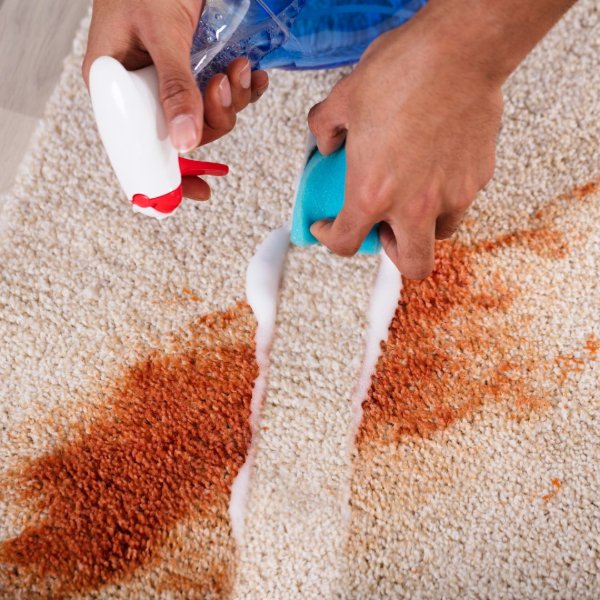
Carpet is cozy, quiet, and comfortable-until it starts holding onto smells. Pet odors, cooking aromas, spilled drinks, damp shoes, and everyday life can get trapped in carpet fibers and padding. The good news: you can deodorize carpet at home. The tricky part: some "popular" DIY methods can make odors worse, set stains, or even damage the carpet.
Here's what actually works, what to avoid, and how to keep smells from coming back.
First: Find the Source (Odor ≠ Just "Bad Air")
Before you sprinkle anything down, identify what you're dealing with. Odor typically comes from one of these:
- Organic spills (milk, food, pet accidents) that soak into fibers/padding
- Moisture (humidity, wet shoes, leaks) causing musty smell or mildew
- Smoke/cooking oils that cling to fibers
- Old stains reactivating after shampooing or humidity
If the smell is strongest in one spot, you're likely dealing with a localized spill-and treating only the surface won't fully fix it.
What Works: DIY Deodorizing Methods That Are Actually Effective
1) Vacuum Like You Mean It (Yes, This Matters)
Odor clings to dust, dander, crumbs, and hair-so removing the "odor food" helps immediately.
Do this:
- Vacuum slowly in two directions
- Use a beater bar on cut-pile carpet (turn it off for delicate loops/berber)
- Empty the canister/bag-old debris can stink and re-release odor
Tip: Sprinkle deodorizer after vacuuming, not before.
2) Baking Soda (Used the Right Way)
Baking soda is popular because it absorbs and neutralizes many odors-especially general mustiness or "lived-in" smells.
How to do it correctly:
- Lightly sprinkle a thin, even layer (don't cake it on)
- Let it sit at least 30 minutes (overnight is best for mild odors)
- Vacuum thoroughly (two passes)
Best for: general odors, light pet smell, cooking smells
Not enough for: urine that soaked into padding/subfloor
Avoid this mistake: dumping a thick layer can clog vacuums and leave residue that attracts dirt.
3) Enzyme Cleaner (Best for Pet and Organic Odors)
For pet accidents and food spills, you need something that breaks down the source. Enzyme cleaners (look for "enzymatic" on the label) digest organic material instead of masking it.
How to use:
- Blot first (don't rub)
- Saturate the spot enough to reach where the spill went
- Let it dwell (follow label-often 10-15 minutes, sometimes longer)
- Blot again and allow to fully dry
Best for: urine, vomit, milk, food, "mystery smells"
Key rule: enzymes need time and the right moisture level to work.
4) Vinegar + Water (For Light Odors, Not Deep Problems)
White vinegar can help neutralize some smells and cut mild residues.
Simple mix:
- 1 part white vinegar
- 1 part water
Light mist, then blot (don't soak)
Best for: light musty smell, mild spills, smoke/cooking residue on the surface
Use caution: vinegar smell fades as it dries, but over-wetting can create bigger issues.
5) Fresh Air + Fans + Dehumidifier (The Musty-Smell Fix)
If your carpet smells musty, it's often a moisture issue.
Do this:
- Run a fan pointed across the carpet (not straight down)
- Use a dehumidifier if humidity is high
- Keep HVAC running consistently
Musty odor is a warning sign: If it persists, you may have padding/subfloor moisture that needs professional attention.
What Makes It Worse: Common DIY Mistakes That Backfire
1) Over-Wetting the Carpet
This is the #1 reason "the smell came back... worse."
When you soak carpet with water, vinegar, or DIY shampoo:
- Odors trapped in the pad re-activate
- Moisture can lead to mildew
- Stains can wick up as it dries
Rule: If you can feel dampness deep down, you used too much.
2) "More Fragrance = Cleaner" (It Doesn't)
Scented powders and sprays often just mask the odor temporarily. Worse, some leave sticky residue that attracts dirt, creating a grime layer that holds smells. If you want a light scent, use it after cleaning and deodorizing-not instead of it.
3) Steam Cleaning the Wrong Odor (Especially Pet Urine)
Heat can set stains and can intensify some smells. If urine is present, steam can:
- Push contaminants deeper
- Reactivate odor in the pad
- Create that lingering "wet dog" smell
If you steam clean, ensure:
- You've treated with enzyme cleaner first
- You extract thoroughly
- You dry fast (fans + dehumidifier)
4) Using Harsh Chemicals (Bleach, Ammonia, Strong Cleaners)
Bleach can discolor carpet and doesn't solve the odor source. Ammonia can smell like urine and may encourage pets to re-mark. High-alkaline cleaners can damage fibers and leave residue. If a product doesn't specify "safe for carpet," don't gamble.
5) Scrubbing Aggressively
Scrubbing can damage fibers, spread stains, and grind odor-causing material deeper.
Better: blot, press, and lift.
A Simple DIY Deodorizing Routine (Works for Most Homes)
Use this for everyday odors or light smells:
- Vacuum thoroughly (slow passes)
- Spot treat any stains with the right cleaner (enzyme if organic)
- Light baking soda layer over the area
- Wait 30 minutes-overnight
- Vacuum again
When DIY Isn't Enough (And You Should Call a Pro such as Jason’s Carpet and Tile. We can provide expert guidance on how to get that odor removed for good. For more information and additional tips, call us today at 954-231-4487.