
Blog > Do You Need a Moisture Test Before Installing Flooring Over Concrete?
Do You Need a Moisture Test Before Installing Flooring Over Concrete?
Monday, October 12th, 2026
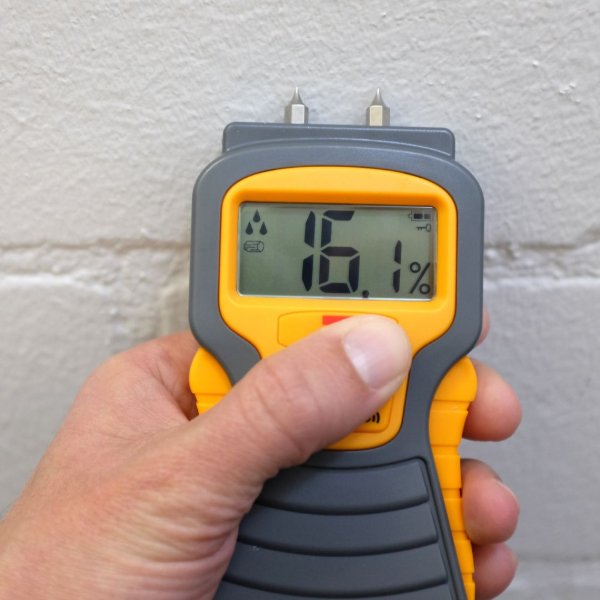
You picked out the flooring. You love the color. Installation day is getting closer. Then your flooring installer mentions something you may not have expected: a moisture test.
Is it necessary?
If your new flooring is being installed over a concrete slab, the answer is often yes. Moisture inside concrete isn't always something you can see or feel, but it can create serious problems for certain types of flooring after installation.
This is especially important in Florida, where many homes are built on concrete slabs and humidity is part of everyday life. Here's why testing the slab before installing your new flooring can be an important part of the process:
Concrete Can Look Dry and Still Contain Moisture
One of the biggest misconceptions about concrete is that if it looks and feels dry, it must be dry. Concrete is porous, which means moisture can exist inside the slab even when the surface appears perfectly normal. Moisture can also move through concrete from the ground below or be affected by environmental conditions inside the home.
That moisture may not become noticeable until flooring is installed over it.
Once the slab is covered, excess moisture can potentially affect adhesives, flooring materials and the overall performance of the installation. A moisture test helps your installer better understand what is happening below the surface before the new floor goes down.
Why Moisture Matters for Luxury Vinyl
Luxury vinyl flooring is popular because it is durable, attractive and available in many water-resistant or waterproof options. But there is an important distinction: a waterproof flooring product does not necessarily make the concrete underneath it waterproof. Excessive moisture coming through a slab can potentially affect adhesives or create conditions underneath the flooring that may cause problems over time. Depending on the product and installation method, manufacturers may specify acceptable moisture levels for the concrete slab. Testing helps determine whether the slab meets those requirements or if additional preparation may be needed.
What About Laminate?
Laminate flooring has come a long way over the years, and many newer products offer impressive resistance to everyday spills and moisture from above. Moisture coming from underneath the flooring is a different issue. Too much moisture in the concrete slab can potentially contribute to swelling, damaged edges or other flooring problems, particularly if the proper moisture barrier or underlayment is not used. Before installing laminate over concrete, it is important to follow the flooring manufacturer's installation instructions and moisture requirements.
Hardwood Needs Special Attention
Wood and moisture have a complicated relationship. Hardwood naturally reacts to changes in humidity and moisture. It can expand when it absorbs moisture and contract when conditions become drier. When hardwood is installed over or near a concrete slab with excessive moisture, problems may include:
- Cupping
- Warping
- Buckling
- Gaps
- Changes in the finish
- Adhesive problems
Engineered hardwood is often selected for concrete installations because of its dimensional stability, but moisture testing is still important. The type of hardwood, installation method and manufacturer's requirements all need to be considered before installation begins.
Tile Isn't Completely Exempt
Homeowners sometimes assume moisture testing only matters for wood, laminate and vinyl. Tile is highly resistant to water, but the entire installation includes more than just the tile itself. Moisture conditions can affect certain adhesives, setting materials, grout and other components of the flooring system. Moisture may also be a sign of a larger issue with the slab that should be investigated before new flooring covers it. If there are visible signs of moisture, discoloration, efflorescence or previous flooring failure, it is especially important to determine the cause.
Carpet Can Be Affected Too
Even carpet installations over concrete can be affected by excessive slab moisture. Moisture trapped underneath carpet and padding can contribute to odors, deterioration of materials or other unwanted conditions. If carpet is being installed directly over a concrete slab, particularly in an area where there has been previous moisture trouble, testing the slab can provide useful information before the installation begins.
What Does a Moisture Test Tell You?
There are different methods for evaluating moisture in concrete. Depending on the flooring material and installation requirements, an installer may use a test designed to measure moisture conditions within the slab or moisture vapor coming from it. The goal isn't simply to label the slab "wet" or "dry." The results help determine whether the concrete falls within the flooring manufacturer's acceptable installation limits. This matters because every flooring product is different. A moisture level that is acceptable for one flooring system may not be acceptable for another.
What Happens If the Moisture Level Is Too High?
A high moisture reading doesn't necessarily mean you have to abandon your flooring project. It does mean the issue should be addressed before installation. Depending on the situation, the solution may involve:
- Allowing additional drying time
- Using an approved moisture-control system
- Selecting a different underlayment
- Choosing another installation method
- Investigating the source of the moisture
- Repairing an existing water or drainage problem
The right solution depends on the flooring product, the condition of the slab and the source of the moisture. This is one reason it is better to discover a moisture issue before the flooring is installed rather than after a problem develops.
Moisture Is Especially Important in Florida Homes
Concrete slabs are common throughout South Florida, making moisture considerations particularly important for local homeowners. Florida's climate can bring high humidity, heavy rain and frequent temperature changes between air-conditioned interiors and the outdoors. That doesn't mean every concrete slab has a moisture problem. It simply means moisture should be considered as part of the flooring installation process instead of being ignored. Older homes, recent construction, previous water damage and flooring that has already experienced problems may deserve additional attention.
Don't Forget About Subfloor Preparation
Moisture is only one part of evaluating a concrete slab. Before new flooring is installed, your installer may also need to look for:
- Cracks
- Uneven areas
- Old adhesive
- High and low spots
- Surface contamination
- Previous patching
- Signs of water intrusion
A beautiful new floor performs best when the surface underneath it is properly prepared.
It can be tempting to focus entirely on the flooring you will see every day, but what happens underneath the floor can be just as important.
Can You Skip the Moisture Test?
Whether testing is required depends on the flooring product, manufacturer instructions, installation method and condition of the home. However, skipping a recommended moisture test simply to save time can be a gamble. If excessive slab moisture causes the flooring or adhesive system to fail later, repairing the problem can be far more disruptive than testing before installation. Manufacturer warranties may also depend on the flooring being installed according to specified procedures and conditions. When in doubt, ask your flooring professional whether moisture testing is recommended for your particular product and installation.
Start With the Right Foundation
New flooring is an investment in your home, and you want it to look great long after installation day. Checking the condition of the concrete slab-including its moisture level-can help identify potential problems before they are hidden underneath your new floor. Whether you're considering luxury vinyl, laminate, hardwood, tile or carpet, proper preparation is an important part of a successful installation.
Jason's Carpet & Tile can help you choose the right flooring for your home and guide you through the installation process from the surface you see to the slab underneath it. Contact us today at 954-231-4487 to schedule a free estimate and start planning your next flooring project.