
Blog > How South Florida's Air Conditioning Affects Hardwood and Laminate Floors
How South Florida's Air Conditioning Affects Hardwood and Laminate Floors
Monday, August 10th, 2026
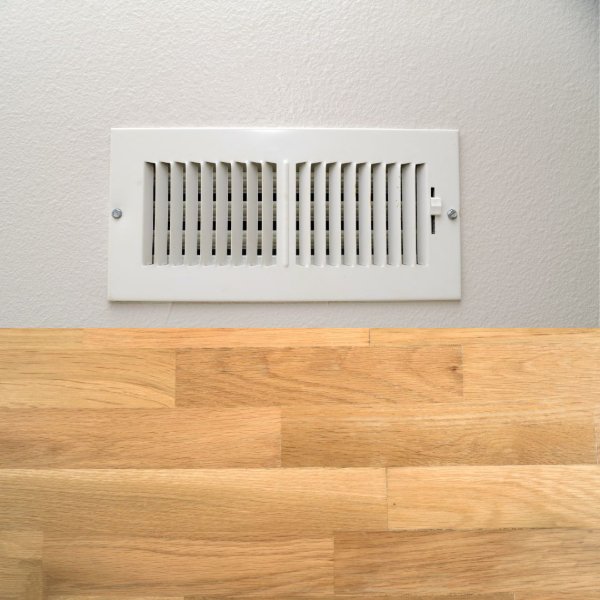
Air conditioning is essential for staying comfortable in South Florida, but it does more than cool your home. It also helps manage indoor humidity, which can directly affect hardwood and laminate flooring. Both flooring types contain wood or wood-based materials that respond to changes in moisture. When indoor humidity rises, flooring may absorb moisture and expand. When the air becomes too dry, it may lose moisture and contract.
Understanding the connection between your air-conditioning system and your floors can help prevent gaps, lifting, buckling and other avoidable problems.
Why South Florida's Climate Matters
South Florida's warm, humid climate creates unique challenges for flooring. Humidity can remain high throughout much of the year, especially during the summer and rainy season. Homes may also experience sudden changes in indoor conditions because of storms, open doors, air-conditioning problems or extended vacancies.
Common sources of indoor moisture include:
- Outdoor humidity entering through doors and windows
- Wet shoes and clothing
- Swimming pool traffic
- Plumbing leaks
- Condensation
- Improper ventilation
- An air-conditioning system that is not removing enough moisture
Hardwood and laminate flooring perform best when the indoor environment remains reasonably consistent. Large or frequent changes in temperature and humidity can place stress on the flooring.
How Air Conditioning Controls More Than Temperature
An air conditioner cools the home by removing heat from the indoor air. During that process, it also removes moisture. This is especially important in South Florida, where humidity can make a home feel uncomfortable even when the temperature is relatively low. When the air-conditioning system is operating properly, it can help create a more stable environment for flooring, cabinets, furniture and other materials inside the home.
However, problems may occur when:
- The air conditioner is turned off for long periods
- The thermostat is set unusually high
- The system is oversized and cycles too quickly
- The equipment is not functioning properly
- Doors or windows are frequently left open
- Indoor humidity changes dramatically from day to night
The goal is not to make the home excessively cold. It is to maintain stable indoor conditions and prevent moisture from building up.
How Humidity Affects Hardwood Flooring
Hardwood is a natural material that reacts to its surrounding environment. When humidity rises, wood can absorb moisture from the air and expand. When the air becomes drier, the wood may release moisture and shrink. A small amount of seasonal movement can be normal. Significant changes, however, may affect the floor's appearance and performance.
Cupping
Cupping occurs when the edges of a hardwood plank rise higher than the center. This may happen when the bottom of the board contains more moisture than the top. Possible causes include elevated indoor humidity, moisture in the concrete slab, a leak or improper subfloor preparation.
Crowning
Crowning is the opposite of cupping. The center of the board appears higher than the edges. It can develop when moisture conditions change unevenly or when a cupped floor is sanded before it has fully dried.
Gaps Between Boards
When indoor air becomes too dry, hardwood planks may contract and create visible gaps. Minor gaps may close when humidity increases again. Larger or persistent gaps may indicate significant environmental changes or installation concerns.
Buckling
Buckling is a more serious condition in which flooring pulls away from the subfloor or lifts noticeably. It is often associated with substantial moisture exposure, such as a leak, flooding or prolonged high humidity.
How Humidity Affects Laminate Flooring
Laminate flooring is constructed differently from hardwood, but it can still be affected by moisture and changes in indoor conditions. Most laminate includes a wood-based core. If too much moisture reaches that core, the flooring may swell or lose its shape.
Potential problems include:
- Raised edges
- Peaking between planks
- Separation at the joints
- Warping
- Bubbling
- Damage around doors or appliances
- Movement near walls and transitions
Water-resistant and waterproof laminate products can provide greater protection against spills and everyday moisture. However, homeowners should still follow the product's installation, cleaning and environmental requirements. A waterproof surface does not necessarily protect the subfloor from a major leak or prolonged moisture exposure.
Should You Turn Off the Air Conditioning While Away?
Many South Florida residents leave their homes for extended vacations or live in the area seasonally. Turning off the air conditioning completely may save energy in the short term, but it can allow indoor humidity to rise. That may affect flooring, furniture, cabinets, electronics and other materials. Instead of shutting the system off, homeowners often maintain a higher temperature setting while continuing to control moisture.
The correct setting depends on several factors, including:
- The flooring manufacturer's requirements
- The home's construction
- The condition of the HVAC system
- The season
- The amount of direct sunlight
- Whether someone regularly checks the property
Seasonal residents may also benefit from a smart thermostat or humidity monitor that can be viewed remotely.
Exact temperature and humidity recommendations vary by flooring manufacturer. Review the warranty and product-care instructions for your specific floor rather than relying on a single setting for every product.
Why an Oversized Air Conditioner Can Be a Problem
A larger air-conditioning system is not always better. An oversized system may cool the home quickly and then shut off before it has had enough time to remove sufficient moisture from the air. This is known as short cycling. The result may be a home that feels cool but remains humid. Persistent indoor humidity can affect both hardwood and laminate flooring. It may also contribute to musty odors, condensation and discomfort.
An HVAC professional can evaluate whether the air-conditioning system is properly sized and operating efficiently.
Keep Doors and Windows Closed
Leaving doors or windows open while the air conditioner is running allows humid outdoor air to enter the home. This can make the system work harder and cause indoor humidity to fluctuate. The effect may be especially noticeable in homes with:
- Large sliding glass doors
- Pool or patio access
- Waterfront exposure
- Frequently used outdoor living areas
- Open-air entertaining spaces
When moving between indoor and outdoor areas, close doors promptly and clean up tracked-in water before it reaches hardwood or laminate floors.
Watch for Condensation Near Air Vents
Air-conditioning vents and ductwork can sometimes develop condensation, particularly when cold surfaces meet warm, humid air. Moisture may drip onto flooring near:
- Ceiling vents
- Floor registers
- Air handlers
- Utility closets
- Ductwork
- Refrigerant lines
Repeated exposure can damage flooring even when the amount of water seems minor.
If condensation appears near an air vent or HVAC component, the source should be inspected instead of simply wiping the floor and ignoring the problem.
Moisture Testing Is Essential
Air conditioning can help manage indoor humidity, but it cannot correct moisture problems inside a concrete slab. Many South Florida homes and condominiums are built over concrete. Before hardwood or laminate is installed, the subfloor should be evaluated for moisture and overall condition.
Potential issues may include:
- Moisture vapor moving through the slab
- Cracks
- Uneven areas
- Old adhesive residue
- Water intrusion
- Plumbing leaks
- Improper drainage near exterior walls
Installing flooring over an unprepared or moisture-affected slab may lead to movement, swelling or damage. Depending on the flooring and installation method, a moisture-control product or approved underlayment may be needed.
Signs Your Flooring May Be Reacting to Indoor Conditions
Some flooring movement can be subtle at first. Watch for warning signs such as:
- New gaps between boards
- Raised plank edges
- Flooring that feels uneven
- Clicking or movement underfoot
- Swelling near exterior doors
- Changes around appliances
- Baseboards separating from the floor
- Musty odors
- Condensation near vents or windows
These signs do not always mean the air conditioner is responsible. Leaks, slab moisture, improper installation and product defects may create similar symptoms. Addressing the issue early can help limit additional damage.
Tips for Protecting Hardwood and Laminate Floors
A few practical habits can help create a more stable environment for your flooring.
- Maintain Consistent Indoor Conditions
- Avoid dramatic changes in temperature and humidity whenever possible. Do not repeatedly turn the air conditioner completely off and then lower the temperature significantly.
- Service the HVAC System
- Regular maintenance can help the air conditioner cool and remove moisture effectively.
- Change filters as recommended and have problems such as short cycling, condensation or poor airflow inspected.
Monitor Humidity
A smart thermostat or separate humidity monitor can help identify unusual indoor conditions. This can be especially useful for seasonal residents or vacation-property owners.
- Clean Spills Promptly
- Wipe up water from wet shoes, pets, pool traffic and household spills as soon as possible.
- Check Exterior Doors
- Inspect sliding doors, thresholds and weather stripping for water intrusion or condensation.
- Use Appropriate Window Coverings
- Blinds, shades or curtains can help reduce direct sunlight and heat near the flooring.
- Follow the Flooring Warranty
- Use the cleaning products, environmental settings and maintenance procedures recommended by the manufacturer.
Hardwood or Laminate: Which Is Better for South Florida?
Both hardwood and laminate can work in South Florida when the right product is selected, and the indoor environment is properly managed. Hardwood offers natural beauty and character but may require closer attention to moisture and humidity. Laminate can provide realistic wood visuals, durability and easier maintenance. Waterproof or water-resistant options may offer additional protection in busy homes.
The best choice depends on:
- The room
- The concrete slab
- Pool or patio traffic
- Household activity
- Pets
- Sun exposure
- Maintenance preferences
- Whether the property is occupied year-round
- The home's air-conditioning system
A flooring professional from Jason’s Carpet & Tile can help compare products based on the conditions in your home. The team can also evaluate installation areas, discuss moisture concerns and help you choose flooring that fits your lifestyle and design preferences.
Contact us today at 954-231-4487 to request a free estimate and begin planning your South Florida flooring project.