
Blog > Residential vs Commercial Vinyl Flooring Grades
Residential vs Commercial Vinyl Flooring Grades
Tues, Feb 17, 2026
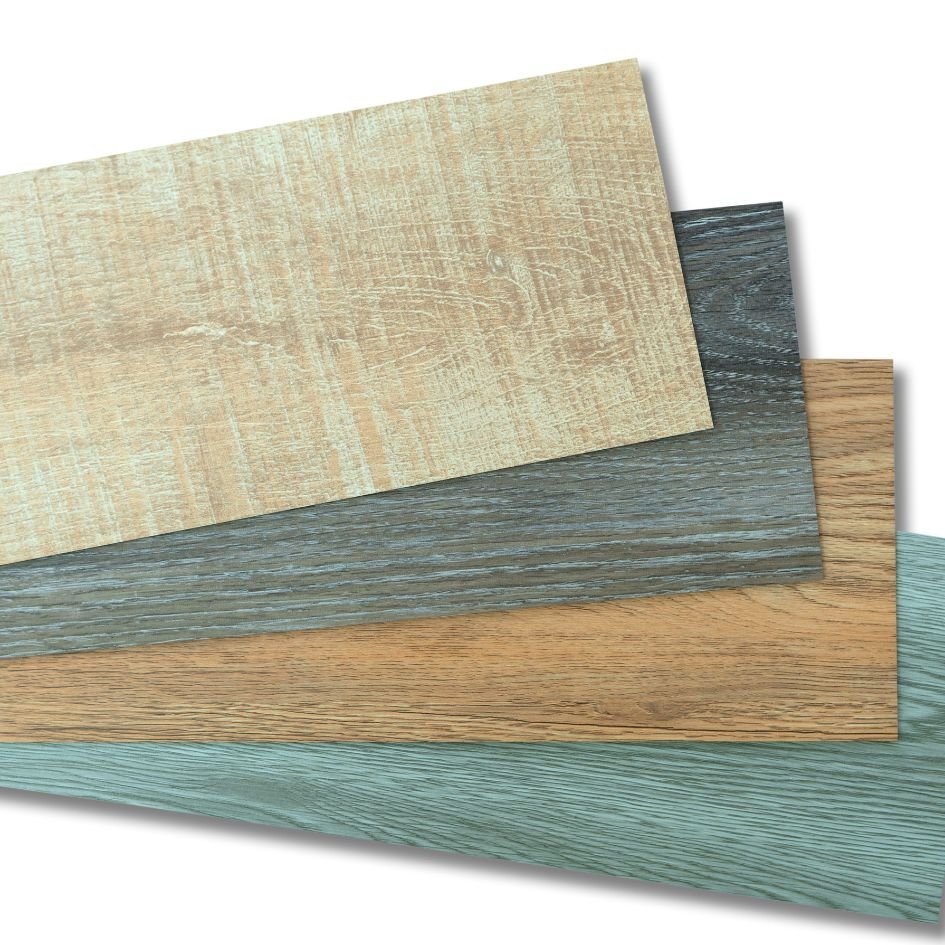
If you're shopping for vinyl flooring, you've probably seen terms like residential, commercial, wear layer, SPC, WPC, and a bunch of numbers that don't mean much at first glance. The truth is: "grade" isn't just a marketing word-it's a practical way of describing how well a vinyl floor will hold up to traffic, spills, pets, rolling chairs, and everyday life.
At Jason's Carpet and Tile, we help homeowners and business owners choose vinyl flooring that fits their space, budget, and long-term expectations. Here's a clear breakdown of residential vs commercial vinyl grades, what to look for, and how to pick the right one.
What does "vinyl flooring grade" mean?
A vinyl floor's "grade" is basically a combination of:
- Durability (how well it resists wear and scratches)
- Construction (the core and stability)
- Finish/coating (how it resists scuffs and staining)
- Warranty and intended use (where the manufacturer says it can be installed)
In most cases, the biggest indicator of grade is the wear layer-the clear protective layer on top of the design.
The #1 spec that separates residential and commercial: the wear layer
Wear layer thickness is usually listed in mils (not millimeters). A mil is a thousandth of an inch. Here's a quick, practical guide:
Typical wear layer ranges:
- 6 mil: Light residential use (guest rooms, low-traffic areas)
- 12 mil: Standard residential use (most homes)
- 20 mil: Heavy residential / light commercial (busy households, small offices)
- 28 mil+: Commercial / high-traffic environments (retail, medical, hospitality)
Rule of thumb: if the space sees constant foot traffic, rolling loads, or grit from outdoors, aim higher.
Residential-grade vinyl: best for comfort, style, and everyday living
Residential vinyl is designed for family home locations including:
- Bedrooms and living areas
- Typical kitchen and dining use
- Average household foot traffic
Pros of residential vinyl:
- Often more budget-friendly
- Tons of design choices (wood looks, stone looks, patterns)
- Comfortable underfoot (especially WPC styles)
- Great performance when matched to the right room
Where residential-grade vinyl works best:
- Bedrooms
- Guest rooms
- Formal living areas
- Low-to-moderate traffic hallways
If you have kids, pets, or an open floor plan with a busy kitchen, you'll usually be happier stepping up to 12-20 mil.
Commercial-grade vinyl: built for high traffic and daily wear
Commercial vinyl is designed for:
- Busy storefronts
- Offices
- Medical spaces
- Schools and hospitality
- Any environment where the floor gets used all day, every day
Pros of commercial vinyl:
- Thicker wear layers (commonly 20-28+ mil)
- Better resistance to scuffs, scratches, and rolling loads
- Often stronger surface coatings for easier maintenance
- Longer commercial-use warranties (when installed correctly)
Where commercial-grade vinyl is worth it:
- Retail shops and salons
- Office suites and conference rooms
- Waiting rooms and lobbies
- Short-term rentals / high-turnover properties
- Busy entryways that constantly track in sand/dirt
Important note: Some "residential" products may look similar, but manufacturers can deny claims if it's installed in a commercial setting. Grade matters for warranty protection.
Grade isn't only wear layer: other factors that matter
1) Core type: SPC vs WPC
- SPC (Stone Plastic Composite): More rigid, more dent-resistant, great for high traffic and commercial spaces.
- WPC (Wood Plastic Composite): Slightly softer/warmer feel underfoot, great for comfort-focused residential spaces.
2) Thickness and stability
Overall thickness can help with comfort and sound-but thickness alone doesn't equal durability. A thick plank with a thin wear layer can still scratch sooner than a thinner plank with a better wear layer and coating.
3) Surface coating (finish)
Many premium lines include stronger coatings designed to resist scuffs and staining. This is especially helpful in:
- Entryways
- Kitchens
- Commercial settings
4) Installation type
- Click-lock: Great for many homes and quicker installs.
- Glue-down: Often preferred for commercial spaces and areas with heavy rolling traffic (chairs, carts), because it can reduce movement and improve stability.
Choosing the right grade by room (easy guide)
Here's what we typically recommend:
- Bedrooms / Guest rooms: 6-12 mil
- Living rooms / Dining rooms: 12 mil
- Kitchens: 12-20 mil
- Hallways / Entryways: 20 mil (especially if you track in grit/sand)
- Bathrooms: 12-20 mil (focus on waterproof + good installation)
- Busy households (kids/pets): 20 mil
- Small offices / boutiques: 20-28 mil
- High-traffic commercial spaces: 28 mil+
Need help choosing the right vinyl grade?
The "best" vinyl isn't the most expensive-it's the one that matches how your space is used. At Jason's Carpet and Tile, we'll help you compare options based on:
- Your traffic level (kids, pets, guests, customers)
- Room conditions (moisture, sunlight, entry grit)
- Budget and timeline
- Installation requirements for warranty coverage
For more information and a complimentary estimate call 954-231-4487.